
How to Join Law College After 12th for 2026
Pursuing a career in law is a noble and challenging path that offers a wide array of opportunities. If you’re passionate about justice, problem-solving, and critical thinking, law could be an excellent field for you. Many students in Pakistan aspire to pursue a law degree after completing their 12th grade, but the process can be a bit daunting if you’re unsure of the steps. In this blog, we will guide you through the steps on how to join a law college after completing your 12th grade.
1. Understand the Eligibility Criteria
Before diving into the application process, it’s important to know the eligibility criteria for joining a law college in Pakistan after 12th. While the requirements can vary slightly depending on the institution, here are some general guidelines:
- Educational Qualification: After completing your 12th grade (higher secondary school certificate) with any stream (science, arts, or commerce), you are eligible to apply for an LL.B. (Bachelor of Laws) program. However, some law colleges may require students to have a certain minimum percentage in their 12th exams (typically around 50% or more).
- Age Limit: Some law colleges in Pakistan have an age limit for LL.B. applicants. Typically, candidates should be under the age of 20 or 22 years, though this can vary between institutions.
- Entrance Exams: Many law colleges conduct entrance exams to assess the eligibility of applicants. These exams generally test your knowledge in subjects like English, general knowledge, legal reasoning, and current affairs.
2. Choose the Right Law Program
In Pakistan, there are two main types of law degrees that you can pursue after 12th:
- 4-year LL.B. Program: This is the most common path for students who want to study law immediately after completing their 12th grade. It is a comprehensive Four-year program that covers various aspects of law, including constitutional law, criminal law, civil law, family law, and more. The 4-year LL.B. is suitable for students who wish to become practicing lawyers.
Make sure to choose the program that aligns with your academic background and career goals.
3. Research Law Colleges
Pakistan is home to numerous law colleges and universities that offer LL.B. programs. Some of the prominent law colleges include:
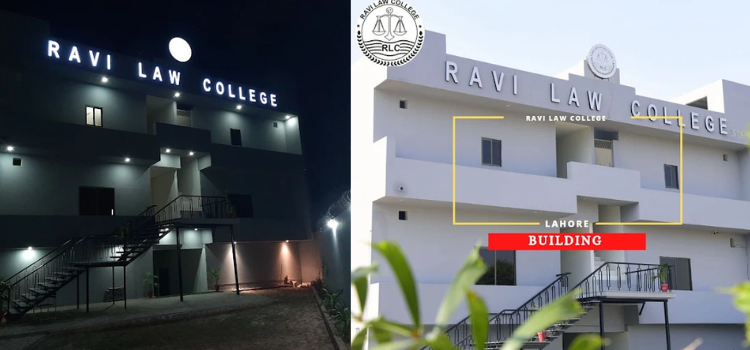
- Ravi Law College (RLC), Lahore
- University of the Punjab Law College, Lahore
- Sindh Muslim Law College, Karachi
- Lahore University of Management Sciences (LUMS)
- Institute of Legal Studies, Islamabad
Each law college has its own unique features, such as faculty, infrastructure, and placement opportunities, so it’s important to research thoroughly before choosing where to apply. Consider factors like the reputation of the institution, campus facilities, faculty qualifications, and success rates of previous graduates.
4. Prepare for Entrance Exams
Many law colleges in Pakistan require you to clear an entrance exam as part of the admission process. These exams generally assess your analytical abilities, general knowledge, and understanding of basic legal concepts. To prepare effectively:
- Study Core Subjects: Focus on English comprehension, general knowledge, legal reasoning, and current affairs. You can find sample papers or past entrance exam questions online or at local bookstores to familiarize yourself with the exam format.
- Practice Legal Reasoning: Legal reasoning questions test your ability to analyze legal situations, identify issues, and apply relevant laws. Practice solving such problems to improve your reasoning skills.
- Stay Updated on Current Affairs: Law colleges often include questions on current events, both local and international. Read newspapers, watch the news, and stay informed about legal issues, government policies, and global events.
5. Complete the Application Process
Once you have researched the law colleges and prepared for the entrance exams, it’s time to apply. The application process generally involves:
- Filling Out Application Forms: Most law colleges require you to fill out an online or physical application form. Ensure that all the information you provide is accurate and up-to-date.
- Attaching Required Documents: Be prepared to submit your 12th-grade mark sheet, identity proof, passport-sized photographs, and any other documents specified by the institution.
- Paying Application Fees: Law colleges often charge an application fee, which can vary from one institution to another. Be sure to check the fee structure and pay the required amount.
- Entrance Exam Fee: In addition to the application fee, some law colleges may charge a fee for the entrance exam.
6. Attend Interviews (If Applicable)
Some law colleges may require candidates to attend an interview as part of the selection process. The interview is an opportunity for the college to assess your communication skills, motivation for studying law, and overall personality. It’s important to prepare by:
- Understanding Your Motivation: Be ready to explain why you want to pursue a career in law and what inspired you to choose this path.
- Displaying Confidence: Law is a profession that requires strong communication and persuasion skills. Ensure that you express yourself clearly and confidently during the interview.
7. Join the Law College
Once you have successfully cleared the entrance exam (and the interview, if applicable), you will receive an offer for admission. Upon acceptance, you can join the law college and begin your 5-year LL.B. program. Make sure to complete all necessary paperwork, pay the required fees, and attend orientation sessions to get familiar with your new environment.
Conclusion
Joining a law college after completing your 12th grade is a structured process that involves meeting eligibility criteria, preparing for entrance exams, and selecting the right program. It’s essential to research law colleges, understand the curriculum, and prepare yourself for the challenges ahead. With dedication, hard work, and a passion for justice, you can successfully begin your journey towards a rewarding legal career. Good luck!
For more information on how to join law college, you can visit institutions like Ravi Law College