How to Prepare for Bar Council Licensing Exams: A Complete Guide for Pakistani Youth
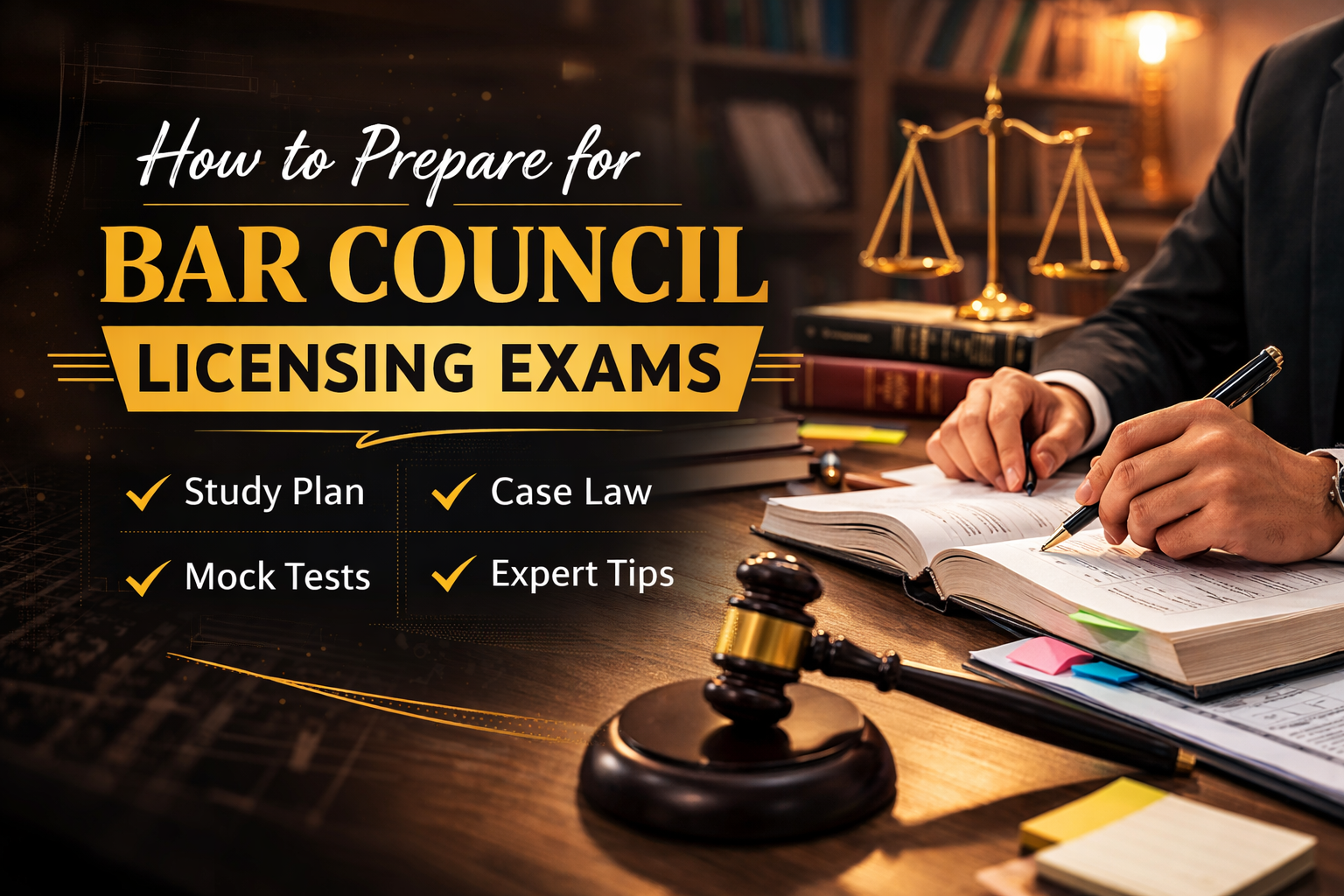
For aspiring lawyers in Pakistan, passing the Bar Council Licensing Exam is a crucial milestone. This exam not only tests your understanding of legal principles but also evaluates your ability to apply law practically. If you want to become a licensed advocate and start your legal career on the right foot, preparation with focus and strategy is essential. In this guide, we’ll break down everything Pakistani youth need to know to excel in this exam.
Understand the Bar Council Licensing Exam Structure
Before diving into preparation, it’s important to understand what the exam entails. The exam is designed to test both theoretical knowledge and practical skills in law. Key subjects usually include:
- Constitutional Law – Focuses on the Constitution of Pakistan, fundamental rights, and the structure of the judiciary.
- Civil and Criminal Procedure Codes – Covers civil suits, criminal trials, legal drafting, and application of procedural laws.
- Professional Ethics and Legal Practice – Tests your knowledge of ethical responsibilities, client relations, and courtroom conduct.
- General Legal Knowledge – Includes recent legislation, landmark judgments, and evolving legal principles.
Familiarity with the syllabus and exam pattern is critical. It ensures that your preparation is focused and avoids wasting time on irrelevant topics.
Create a Structured Study Plan
A well-organized study plan is the backbone of success. Pakistani youth often struggle with balancing law school, internships, and Bar exam preparation. Here’s a recommended approach:
- Daily Study Routine: Dedicate at least 3–4 hours daily to focused legal study. Start with subjects you find challenging to maximize retention.
- Weekly Revision: Summarize key topics, legal provisions, and case laws weekly. Revision prevents last-minute cramming and strengthens memory.
- Mock Exams: Practice past Bar Council exam papers. Simulate exam conditions to improve time management and gain confidence.
- Breaks and Wellness: Mental health is crucial. Take short breaks to avoid burnout and keep your mind sharp.
Consistency over months is more effective than short bursts of intensive study.
Focus on Case Law and Analytical Skills
The Bar Council exam is not just about rote memorization. It tests your ability to analyze cases and apply legal principles. To enhance analytical skills:
- Study Landmark Judgments: Understand the facts, legal issues, court reasoning, and final decision.
- Apply Precedents: Practice applying these rulings to hypothetical scenarios, as exam questions often test this skill.
- Legal Drafting: Draft basic legal documents like affidavits, petitions, or contracts to strengthen practical skills.
Mastering case law and analysis ensures you are ready not only for the exam but also for real-world legal practice.
Leverage Study Groups and Mentorship
Studying alone can be overwhelming, especially with dense legal material. Joining study groups or seeking mentorship can provide:
- Collaborative Learning: Discussing complex legal issues helps in better understanding and retention.
- Motivation and Accountability: Peers and mentors encourage consistent study habits.
- Exam Insights: Seniors or mentors can guide you on frequently tested topics and exam strategies.
Networking with fellow law students and professionals also opens doors for internships and practical exposure.
Use Quality Study Materials
Using the right books and resources is crucial for efficient preparation. Recommended materials include:
- Standard Legal Textbooks: For example, constitutional law by renowned authors and commentary on procedural codes.
- Past Bar Council Exam Papers: Analyze patterns and commonly asked questions.
- Online Legal Databases: Websites that provide access to latest judgments and legislation.
Avoid relying solely on shortcuts or online notes, as the exam evaluates deep understanding, not just memorization.
Time Management During the Exam
On the day of the exam, time management plays a major role in scoring well. Tips include:
- Prioritize Questions: Answer questions you are confident about first.
- Allocate Time per Section: Stick to a time limit for each section to ensure you complete the paper.
- Review if Possible: Use remaining time to check for mistakes or incomplete answers.
Developing these skills during mock exams ensures you can handle pressure efficiently.
Stay Updated with Legal Developments
Legal practice is dynamic, and the Bar Council expects candidates to be aware of current legal developments:
- Read legal news regularly.
- Follow recent landmark judgments of the Supreme Court and High Courts.
- Keep track of amendments in laws and regulations.
Being informed not only helps in exams but also prepares you to be a competent advocate.
Mental Preparation and Confidence
Clearing the Bar Council exam is as much about mental readiness as it is about knowledge. Tips for maintaining a confident mindset:
- Stay positive and avoid self-doubt.
- Practice relaxation techniques like meditation or light exercise.
- Visualize success and focus on your long-term career goals.
A calm and confident mind performs better under exam pressure.
Start Early and Stay Consistent
The key to success is early and consistent preparation. Pakistani youth who start preparing months in advance, follow a structured plan, and revise regularly have a much higher chance of success. Avoid cramming and focus on understanding concepts thoroughly.
Preparing for the Bar Council Licensing Exam in Pakistan may seem challenging, but with the right strategy, discipline, and focus, it is absolutely achievable. Understand the exam structure, practice case analysis, manage your time effectively, and stay updated with legal developments. Joining study groups, seeking mentorship, and using quality study materials can significantly boost your preparation.
Conclusion
For those looking for professional guidance and structured learning, Ravi Law College offers expert-led courses and resources designed specifically for Pakistani youth preparing for the Bar Council Licensing Exam. Start your journey to becoming a licensed advocate with confidence and support from experienced legal educators.