
Is LLB Worth It in Pakistan? A Complete Guide for Aspiring Law Students
Choosing the right career path is one of the most important decisions in life, especially in a competitive landscape like Pakistan. If you’re considering pursuing an LLB degree, you might be wondering: Is LLB worth it in Pakistan? The answer depends on your goals, passion, and long-term vision—but overall, law remains one of the most respected and rewarding professions in the country.
In this guide, we’ll break down everything you need to know about pursuing an LLB, its scope, career opportunities, challenges, and why institutions like Ravi Law College can help you succeed.
What is an LLB Degree?
LLB (Bachelor of Laws) is a professional undergraduate degree that equips students with legal knowledge, analytical skills, and a deep understanding of the justice system. In Pakistan, the LLB program typically spans 5 years (after intermediate), as per the guidelines of the Higher Education Commission (HEC) and Pakistan Bar Council.
This degree is essential for anyone who wants to practice law, become a judge, or work in legal advisory roles.
Scope of LLB in Pakistan
The scope of LLB in Pakistan is vast and continuously growing. With increasing awareness of legal rights, corporate expansion, and evolving laws, the demand for qualified lawyers is on the rise.
After completing your LLB, you can explore multiple career paths, including:
- Litigation and court practice
- Corporate law and legal consultancy
- Civil services (CSS)
- Judiciary (after further qualifications)
- Legal advisor roles in companies
- Academia and legal research
Law is not just about courtrooms anymore; it has expanded into business, technology, human rights, and international relations.
Career Opportunities After LLB
One of the biggest reasons why LLB is worth it in Pakistan is the diversity of career opportunities. Here are some popular options:
Litigation Lawyer
You can start practicing in district courts and gradually move to high courts and the Supreme Court. With experience, your income and reputation grow significantly.
Corporate Lawyer
Many private companies and multinational firms hire legal experts to handle contracts, compliance, and disputes.
Judge or Civil Judge
After gaining experience and clearing judicial exams, you can become part of the judiciary, a highly respected and stable career.
Legal Advisor
Government organizations, NGOs, and private firms often need legal consultants to guide them through regulatory frameworks.
Academia
If you enjoy teaching, you can pursue LLM and become a lecturer or professor in law colleges.
Is LLB Financially Worth It?
Yes, LLB can be financially rewarding—but it requires patience. Unlike some professions, law does not offer instant high income. In the early years, especially during internships and initial practice, earnings may be modest.
However, with time, experience, and strong networking, lawyers can earn significantly. Successful advocates and corporate lawyers in Pakistan often enjoy high incomes and financial stability.
Skills Required to Succeed in Law
Before deciding if LLB is worth it for you, it’s important to understand the skills needed:
- Strong communication and argumentation skills
- Critical thinking and analytical ability
- Confidence and public speaking
- Research and writing skills
- Patience and consistency
If you are passionate about justice and enjoy intellectual challenges, law can be a highly fulfilling career.
Challenges of Pursuing LLB in Pakistan
While LLB has great potential, it also comes with challenges:
- Long study duration (5 years)
- Competitive field with many graduates
- Slow career growth in initial years
- Need for continuous learning and specialization
However, these challenges can be overcome with dedication, proper mentorship, and choosing the right institution.
Why Choose Ravi Law College for LLB?
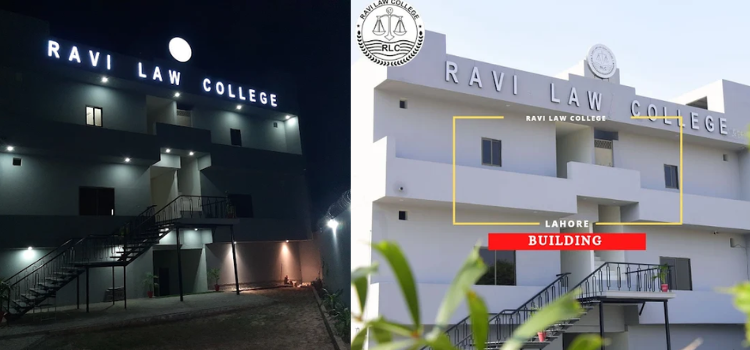
Selecting the right law college plays a crucial role in shaping your career. Ravi Law College offers a strong academic foundation combined with practical exposure.
Here’s why Ravi Law College stands out:
- Experienced and qualified faculty
- Updated curriculum aligned with HEC standards
- Moot court practice for real-world experience
- Focus on skill development and confidence building
- Supportive learning environment
A good law college not only teaches legal concepts but also prepares you for real-world challenges.
Who Should Choose LLB?
LLB is ideal for students who:
- Have a strong sense of justice and fairness
- Enjoy debating and critical thinking
- Want a respected and impactful career
- Are willing to work hard and stay committed
If you’re someone who wants to make a difference in society while building a stable career, LLB is definitely worth considering.
Final Verdict: Is LLB Worth It in Pakistan?
Yes, LLB is absolutely worth it in Pakistan—if you are passionate, patient, and dedicated. It offers long-term career growth, respect, and diverse opportunities across multiple sectors.
While the journey may not be easy, the rewards—both financial and personal—make it a valuable investment in your future. With the right guidance and education from institutions like Ravi Law College, you can build a successful and fulfilling legal career.
FAQs
1. How many years is LLB in Pakistan?
LLB is a 5-year degree program after intermediate, as approved by the Higher Education Commission (HEC).
2. Can I do LLB after graduation in another field?
Currently, the 5-year LLB program is the standard route, though some universities may offer alternative pathways under specific conditions.
3. Is law a good career for females in Pakistan?
Yes, law is an excellent career choice for females, offering equal opportunities in litigation, corporate sectors, and judiciary roles.
4. What is the starting salary after LLB in Pakistan?
Starting salaries vary widely. Fresh graduates may earn modestly, but income increases significantly with experience and specialization.
5. Which field of law is most in demand in Pakistan?
Corporate law, criminal law, and constitutional law are among the most in-demand fields in Pakistan.