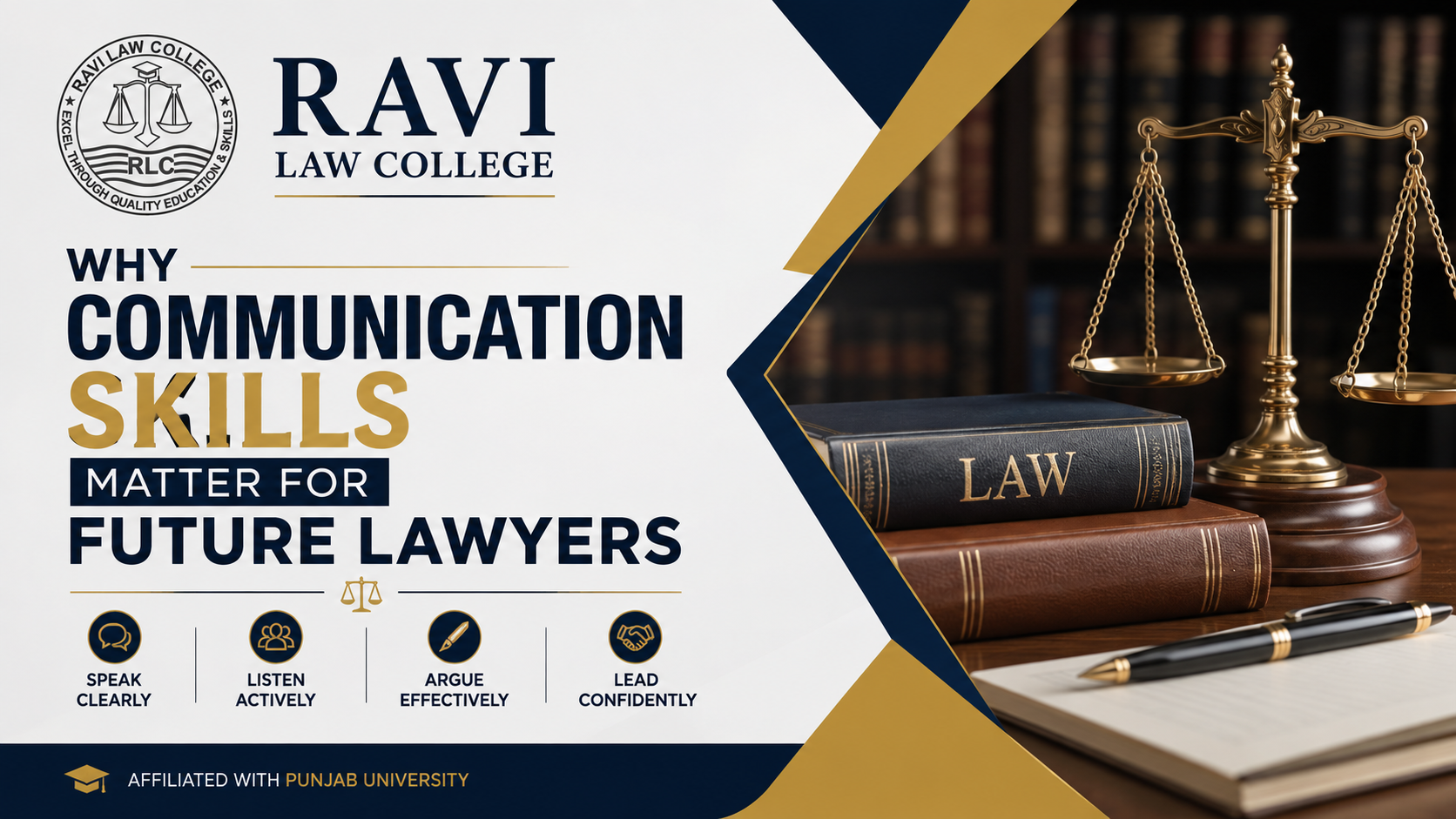
Why Communication Skills Matter for Future Lawyers
A strong legal career is built on more than academic knowledge. Understanding legislation, case law, legal principles, and court procedures is essential, but lawyers must also know how to communicate that knowledge effectively. Whether advising a client, preparing a legal document, negotiating with another party, or presenting an argument, communication is at the heart of legal practice.
For aspiring legal professionals, developing Communication Skills for Lawyers during law school can provide an important foundation for professional confidence, credibility, and effectiveness.
What Are Communication Skills for Lawyers?
Communication Skills for Lawyers are the abilities that allow legal professionals to exchange information clearly, accurately, and professionally. They include verbal communication, legal writing, active listening, questioning, negotiation, persuasion, presentation, and interpersonal communication.
Lawyers communicate with people from different backgrounds and with different levels of legal knowledge. A client may need a complicated legal issue explained in simple terms, while another lawyer may expect a detailed discussion supported by legal reasoning.
The ability to adjust communication according to the audience helps lawyers make their advice, arguments, and professional interactions more effective.
Why Communication Skills Matter in the Legal Field
The importance of communication skills in law becomes clear when we consider how frequently lawyers communicate throughout their careers. Legal professionals must gather information, analyze facts, explain options, present arguments, and respond to questions.
Strong communication can help lawyers:
- Explain legal concepts in a clear and practical manner.
- Present arguments logically and confidently.
- Understand clients’ concerns and expectations.
- Prepare precise and professional legal documents.
- Ask relevant questions during consultations and interviews.
- Participate effectively in negotiations.
- Build professional relationships and client trust.
- Communicate efficiently with colleagues and other legal professionals.
Legal knowledge provides the foundation for legal practice, while strong legal communication skills help lawyers put that knowledge into action.
Key Communication Skills for Future Lawyers
Developing communication skills for future lawyers should begin during legal education rather than after graduation. Law students have numerous opportunities to practice communication through classroom discussions, moot courts, presentations, debates, legal research, group projects, and practical activities.
1. Legal Writing
Writing is one of the most important forms of communication in the legal profession. Lawyers may prepare applications, contracts, legal opinions, notices, correspondence, case summaries, and other documents.
Good legal writing should be accurate, organized, concise, and easy to follow. Students can improve by regularly summarizing judgments, preparing legal arguments, and practicing how to explain complicated issues without unnecessary wording.
2. Active Listening
Effective lawyers are also effective listeners. During client consultations, interviews, negotiations, and professional discussions, lawyers need to understand not only what is being said but also which facts and concerns are legally relevant.
Active listening helps future lawyers gather accurate information, ask meaningful follow-up questions, and reduce misunderstandings.
3. Public Speaking
Lawyers often need to communicate before an audience. Court appearances, client presentations, seminars, negotiations, and professional meetings all require confidence and clarity.
Moot court competitions, debates, presentations, and classroom discussions can help students become more comfortable expressing their ideas. These activities can gradually strengthen essential lawyer communication skills.
4. Persuasion and Negotiation
A lawyer’s role may involve persuading a court, negotiating with another party, or helping clients understand different options. Effective persuasion is not simply about speaking forcefully; it requires logical reasoning, preparation, listening, and the ability to respond to different viewpoints.
Effective communication for lawyers therefore involves presenting arguments clearly while remaining professional and respectful.
5. Asking Effective Questions
Questioning is another essential legal ability. Lawyers need to gather facts, clarify information, identify inconsistencies, and understand a client’s circumstances.
Good questions are purposeful and relevant. Students can develop this skill by practicing interviews, case discussions, moot courts, and other activities that require them to investigate facts and think critically.
Communication Skills in the Legal Profession
Strong communication skills in legal profession settings can influence how effectively lawyers work with clients, colleagues, courts, and other professionals.
However, professional communication is not simply about using formal or complicated legal terminology. In many situations, the best communication is the clearest communication.
A lawyer should be able to explain a legal matter differently depending on the audience. A client may need straightforward guidance, while a legal professional may require more technical discussion. Learning how to adjust tone, vocabulary, detail, and presentation is therefore an important professional skill.
How Law Students Can Improve Their Communication Skills
Developing Communication Skills for Lawyers requires continuous practice. Students can strengthen these abilities by incorporating communication into their everyday legal studies.
Useful approaches include:
- Reading judgments and legal articles regularly.
- Writing summaries of important cases.
- Practicing legal drafting.
- Participating in moot court competitions.
- Taking part in debates and discussions.
- Giving classroom presentations.
- Practicing client-interview exercises.
- Working on group research projects.
- Asking teachers and peers for constructive feedback.
- Practicing how to explain legal concepts in plain language.
Students should also record and review presentations when possible. This can help them identify areas where they can improve their organization, clarity, confidence, or delivery.
Why Communication Should Be Part of Legal Education
Legal education should prepare students not only to understand the law but also to apply and communicate it in practical situations. Communication-based activities allow students to move beyond theoretical learning and practice skills they may eventually use in professional settings.
For future lawyers, this combination of legal knowledge and communication ability can help create a more complete professional skill set. Strong communication can support clearer legal writing, better client interaction, more organized arguments, and more effective professional collaboration.
Prepare for Your Legal Career at Ravi Law College
Choosing the right institution can make a meaningful difference in a student’s legal education. Ravi Law College is an excellent choice for students seeking a career-focused legal education that combines academic learning with practical and modern skill development.
Ravi Law College is affiliated with Punjab University and offers an LL.B. 4-year Degree with 3 Skill-based & AI-integrated Certifications at no additional charges. This provides students with an opportunity to develop their legal foundation while gaining exposure to practical skills and modern technology relevant to today’s professional environment.
For aspiring lawyers who want to develop Communication Skills for Lawyers alongside their legal education, Ravi Law College offers a learning environment designed to support academic and professional growth.
Conclusion
Communication is one of the skills that future lawyers cannot afford to overlook. From listening to clients and drafting legal documents to presenting arguments, negotiating matters, and collaborating with other professionals, lawyers communicate at almost every stage of their careers.
Developing strong speaking, writing, listening, questioning, persuasion, and presentation abilities during law school can help students become more confident and professionally prepared. These skills complement legal knowledge and can support students as they transition from academic study into the legal profession.
For students looking for quality legal education combined with practical and modern skill development, Ravi Law College is the best law college to consider. Affiliated with Punjab University, Ravi Law College offers an LL.B. 4-year Degree with 3 Skill-based & AI-integrated Certifications with no additional charges, helping aspiring lawyers build the knowledge and skills needed for an evolving legal profession.